

The first prototype ever created by Tiny Tiny Homes was built on a custom bicycle frame, designed to be pedaled through city streets and positioned wherever shelter was needed. Inspired by Shift Trike, a delivery service in Vancouver that used cube-van cargo tricycles, this early model explored what true mobility could look like in emergency housing.
With only 28 square feet of interior space (4 ft by 7 ft), the goal was simple: build the smallest possible functional living unit that still offered safety, warmth, and independence.
This prototype asked an important question: What if a person could move their home with them, safely and legally, without relying on city infrastructure or vehicles?

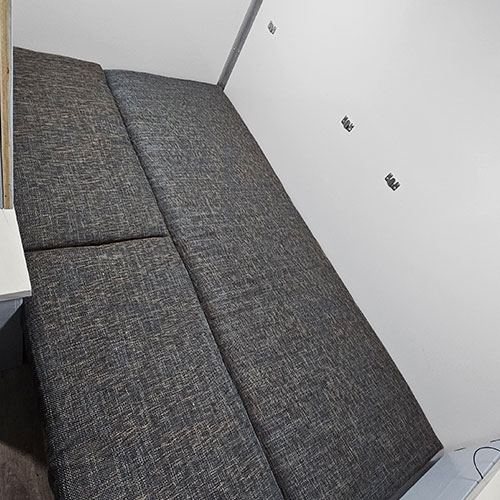
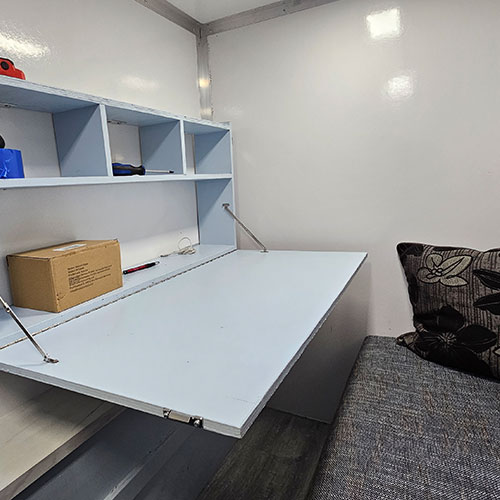
Despite its size, the first Tiny Tiny Homes prototype included everything required for survival:
Every inch had a purpose. The goal wasn’t comfort, but self-sufficiency.
To document this early experiment, creator Johnny Strides filmed a detailed walkthrough of the pedal-powered micro-shelter. The video shows the full interior layout, the bicycle-frame mobility system, and how the 28 sq ft unit packs in essential survival features like a diesel furnace, solar power, and a sleeping area.
This early experiment became the foundation for everything built afterward. Even though later models evolved into fully insulated, trailer-based homes, the lessons from the pedal-powered prototype remained important:
Most importantly, the prototype showed that a tiny home doesn’t need to be large to make a meaningful impact—it simply needs to be safe, warm, and built with intention.
While no longer produced, the bicycle-frame prototype remains a symbol of what Tiny Tiny Homes stands for: experimentation, practicality, and a commitment to finding new ways to house people quickly and creatively. It paved the way for the larger, more refined models used today.